Understanding Short Cycling in HVAC Systems
Definition and Causes of Short Cycling
Short cycling is a common issue in HVAC systems that occurs when the unit turns on and off repeatedly in short intervals, rather than running for a full cycle. This phenomenon can lead to insufficient heating or cooling, discomfort, and increased wear and tear on the equipment. The primary causes of short cycling include improper HVAC sizing, thermostat issues, and malfunctioning components such as compressors or sensors.
Impact of Short Cycling on Home Comfort
When an HVAC system short cycles, it fails to maintain a consistent temperature within the home. For instance, if a furnace is too large for a space, it may heat the room quickly but then shut off before the thermostat can register the desired heat level, leading to cold spots and discomfort. Homeowners might need to adjust their thermostats frequently, resulting in an environment that feels inconsistent and frustrating.
Energy Efficiency and Cost Implications
Short cycling not only affects comfort but also has significant implications for energy efficiency and costs. Frequent cycling leads to higher energy consumption because the system uses more energy to start up than to run continuously. According to the U.S. Department of Energy, improperly sized HVAC systems can increase energy costs by up to 30%. Over time, these additional costs can add up, resulting in hefty utility bills that can strain your budget.
The Importance of Proper HVAC Sizing
Factors Influencing HVAC Size Requirements
Proper HVAC sizing is critical to avoid short cycling. Several factors influence the size requirements for HVAC systems, including:
- Home Size: The square footage of your home plays a significant role in determining the necessary capacity of the HVAC system. For example, a standard rule of thumb suggests that a home requires approximately 20 BTU (British Thermal Units) per square foot. Thus, a 2,000-square-foot home would need a system with a capacity of around 40,000 BTUs.
- Insulation Levels: Well-insulated homes retain heat more effectively, allowing for a smaller system. Conversely, poorly insulated homes may require larger systems to maintain comfort levels.
- Climate: The local climate significantly impacts HVAC sizing. Homes in warmer regions may require units with higher cooling capacities, while those in colder areas need more heating power.
- Number of Windows and Doors: The amount and quality of windows and doors influence heat loss and gain, affecting the size of the HVAC system needed.
Consequences of Oversized and Undersized Systems
Both oversized and undersized HVAC systems can lead to significant problems:
- Oversized Systems: These systems often cool or heat a space too quickly, leading to short cycling. This not only affects comfort but also increases operational costs and decreases system efficiency.
- Undersized Systems: An undersized system struggles to maintain the desired temperature, running continuously and often failing to keep up with demand. This can lead to excessive wear and tear, reduced lifespan, and higher repair costs.
Role of Manual J Calculation in Sizing
The Manual J calculation is a standardized method used by HVAC professionals to determine the correct size of heating and cooling systems for residential buildings. This calculation considers various factors such as the home's square footage, insulation quality, window types, and even the number of occupants. Utilizing Manual J ensures that the HVAC system is appropriately sized, reducing the risk of short cycling and enhancing overall efficiency.
Signs Your HVAC System is Short Cycling
Frequent On/Off Cycling Patterns
One of the most evident signs of short cycling is the frequent on and off cycling of your HVAC system. If you notice that your air conditioner or heater starts and stops every few minutes, it’s a clear indication that something is wrong. Ideally, a system should run for a minimum of 15 minutes during each cycle to effectively regulate indoor temperature.
Temperature Fluctuations in Your Home
Another sign of short cycling is noticeable temperature fluctuations throughout your home. If certain rooms feel hot while others remain cold, it may be due to an HVAC system that is not running long enough to distribute air evenly. This inconsistency can lead to discomfort and frustration, prompting homeowners to constantly adjust their thermostats.
Increased Energy Bills and Wear on Equipment
Short cycling has direct consequences on energy consumption. If you notice a sudden spike in your energy bills, it may be due to your HVAC system working harder to compensate for its inefficiencies. Additionally, frequent starts and stops can lead to increased wear on components, resulting in higher maintenance costs and potential breakdowns.
Steps to Achieve Proper HVAC Sizing
Conducting a Comprehensive Home Assessment
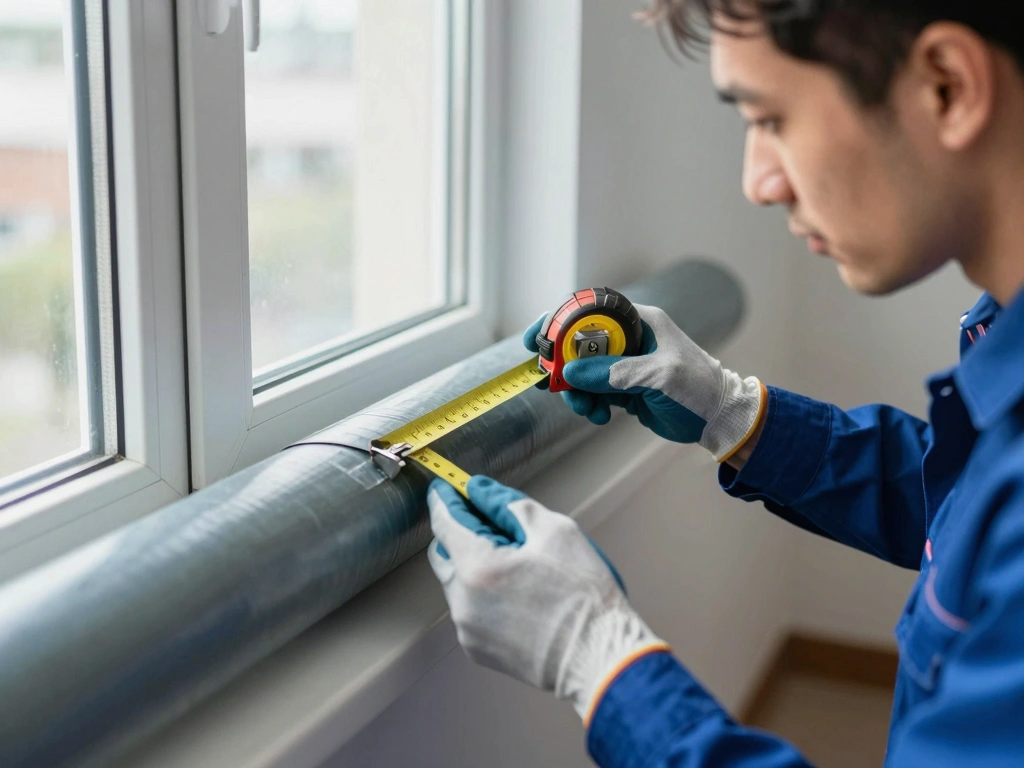
To achieve proper HVAC sizing, homeowners should begin with a comprehensive assessment of their property. This assessment should include evaluating the size and layout of the home, inspecting insulation levels, and assessing the number and type of windows and doors. Taking measurements and gathering this data is essential in determining the appropriate HVAC size.
Consulting with HVAC Professionals
Engaging with HVAC professionals is crucial for ensuring proper sizing. A qualified technician can perform a Manual J calculation and provide recommendations based on the specific characteristics of your home. They can also identify potential issues that may contribute to short cycling and suggest solutions to improve overall system performance.
Utilizing Technology for Accurate Sizing
Modern HVAC systems often come with advanced technology to assist in accurate sizing. For example, systems equipped with variable speed compressors can adjust their output based on the current demand, reducing the likelihood of short cycling. Additionally, smart thermostats can provide more accurate temperature readings and improve system efficiency by learning your habits and preferences.
Long-Term Benefits of Proper HVAC Sizing
Enhanced Energy Efficiency and Lower Utility Costs
Proper HVAC sizing yields significant long-term benefits, starting with enhanced energy efficiency. Systems that are appropriately sized operate more effectively, leading to lower utility costs. For instance, a correctly sized air conditioning unit can save homeowners up to 20% on cooling bills, as it runs less frequently and uses energy more efficiently.
Improved Indoor Air Quality and Comfort
Another benefit of proper sizing is improved indoor air quality. HVAC systems that run efficiently help to filter and circulate air effectively, reducing allergens and pollutants in the home. Moreover, consistent temperature control enhances comfort, ensuring that all residents enjoy a pleasant living environment year-round.
Extended Lifespan of HVAC Equipment
Finally, properly sized HVAC systems tend to have extended lifespans. By reducing the workload on the unit and minimizing wear and tear, homeowners can expect their systems to last longer, which can delay the need for costly replacements. For example, a well-maintained air conditioning unit can last up to 15 years, whereas a system that short cycles may fail within 10 years due to excessive strain.